Because chakras work in unison, it is hard to isolate and scientifically measure each. This begs the questions, “What are the seven chakras? And how are they used?” Read on to find out!
Since Yogini Sunita introduced Birmingham to yoga in the early-1960s, its popularity has soared. According to statistics, the UK is home to over 10,000 yoga masters who teach more than 460,000 British yogis per week. What’s more, there are 300+ million yoga practitioners worldwide!
As yoga and holistic philosophies have steadily become mainstream, the frequency of references to chakras has increased. Although the seven chakras are mentioned in the oldest corpus of Hindu scriptural texts, the Vedas, these energy biofields are as relevant as ever today. Chakras regulate the functioning of our physical, sensory, mental, emotional, spiritual, and intuitive systems.
What Are The 7 Chakras?
Chakra is a Sanskrit term that literally translates to “wheel” or “cycle.” This chakra definition perfectly illustrates these invisible vortexes of energy. By constantly spinning at varying speeds, these energy centres of the body work to maintain optimal functioning, or homeostasis, in your body.
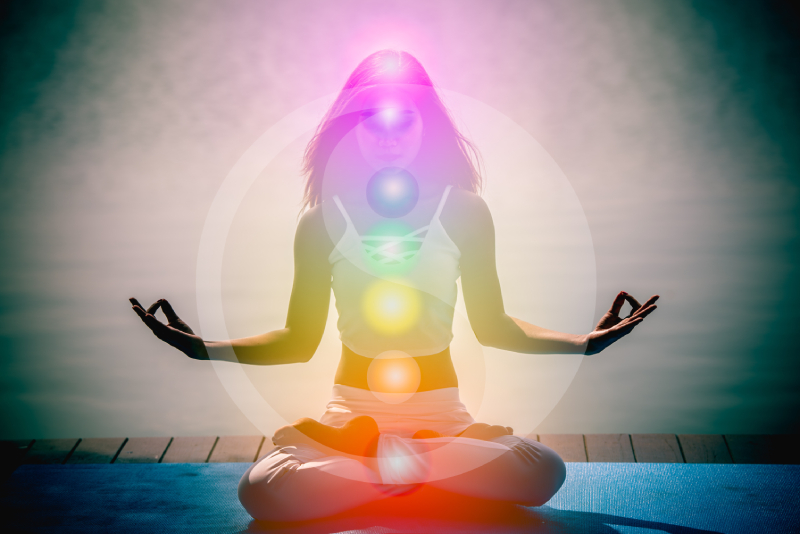
The seven main chakras (of a reported 114!) are stacked on top of one another along your spine. A chakra body chart depicts how each chakra impacts different physical and mental parts of your entire being:
Root chakra
Location: In the perineum area at the base of your spine.
What it governs: The 1st chakra relates to your primal needs like survival, safety , grounding, and comfort.
Blocked: Afraid, insecure, worried, ungrounded, resistance to change.
Physical: Blood, immune system, bone marrow, and the base of the spine
Sacral chakra
Location: Two inches below your belly button.
What it governs: Your sensuality, sexuality, pleasure, creativity, and passion.
Blocked: Low libido or hypersexual, apathy, overly emotional.
Physical: Sexual organs, lymphatic system, kidneys, pelvis, hips, bladder, prostate, large intestine, pancreas, appendix
Solar plexus chakra
Location: Upper abdomen.
What it governs: Self-worth, self-esteem, ego, determination.
Blocked: Shame and self-doubt, feeling powerless.
Physical: Small intestine, liver, pancreas, gallbladder, spleen
Heart chakra
Location: Centre of your chest.
What it governs: The 4th chakra relates to love, acceptance, kindness, joy, compassion,
Blocked: difficulty fully opening to the people in their life. Lack of trust and empathy. Angry and jealous.
Physical: Thymus, heart, and lungs.
Throat chakra
Location: At your throat.
What it governs: Communication, self-expression, and truth.
Blocked: Unable to speak out, timid, dishonest, judgmental, manipulative.
Physical: Ears, thyroid, neck, jaw, lungs, mouth, throat, and voice.
Third eye chakra
Location: Between your eyebrows.
What it governs: Intuition, imagination, visualisation, and wisdom
Blocked:Lack of focus, limiting beliefs, non-assertive or egoistical.
Physical: Eyes, nose, sinuses, pineal gland, brain
Crown chakra
Location: On top of your head.
What it governs: The 7th chakra relates to inner and outer beauty, spiritual connection, fulfilment, and self-realisation
Blocked: Spiritually disconnected, bad decisions, brain fog, depression.
Physical: Spiritually disconnected, bad decisions, brain fog, depression.
Chakra Colours and Meanings
When looking at a chakras diagram, you will no doubt be drawn to the different chakra colours and meanings. Guess the number of chakra colours… 33,000! But with our human eyes, let’s narrow it down to those we recognise:
Root chakra
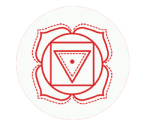
Colour: Red
Chakra stones: Red jasper, onyx, hematite
Chakra symbols: Four-petalled lotus, square, inverted triangle
Meaning: Root support
Element: Earth
Sacral chakra
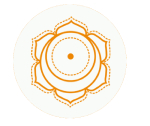
Colour: Orange
Chakra stones: Tiger’s eye
Chakra symbols: Six-petalled lotus, circles, crescent moon
Meaning: Sweetness
Element: Water
Solar plexus chakra
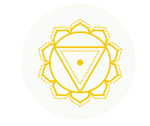
Colour: Yellow
Chakra stones: Amber, citrine
Chakra symbols: Ten-petalled lotus, inverted triangle
Meaning: Lustrous gem
Element: Fire
Heart chakra

Colour: Green
Chakra stones: Rose quartz, jade, emerald
Chakra symbols: Twelve-petalled lotus, hexagram
Meaning: Lustrous gem
Element: Air
Throat chakra
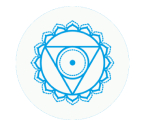
Colour: Light blue or turquoise
Chakra stones: Aquamarine, Lapis lazuli,
Chakra symbols: Sixteen-petalled lotus, inverted triangle, circle
Meaning: Purification
Element: Space
Third eye chakra

Colour: Indigo or dark blue
Chakra stones: Amethyst, sapphire, or tanzanite
Chakra symbols: Two-petalled lotus, inverted triangle
Meaning: Command centre
Element: Light
Crown chakra

Colour: Violet or white
Chakra stones: Clear quartz, amethyst, or diamond
Chakra symbols: Thousand-petalled lotus, circle
Meaning: Thousand fold
Element: Thought
Balancing Your Chakras
From time to time our chakra balance is out of kilter. When there is a blockage or excessive flow of energy, chakra readings can identify which chakra is imbalanced and what ailment it is activating.
As a beginner, you would do well to start with a chakra meditation. It is quick and easy to do – and an ideal way to get more in tune with your chakras. A good place to start is with a chakra meditation for beginners as it is quick and easy. To delve deeper, Reiki chakra work aims for a long-term solution.
This article is a basic “chakra 101”. For a deeper insight and understanding about chakra balancing and how to unblock chakras with Reiki, make an appointment with Pippa or Lucinda without delay.